After design approval, new tooling commonly takes 3–6 weeks depending on material, cavity count, and factory load. Pilot soles usually follow within a few days of first shot.
The Complete Guide to Custom Shoe Sole Manufacturing
SHARE
Custom shoe sole manufacturing turns a footwear idea into a repeatable outsole you can fit to your upper, brand, and price point. This guide walks through how materials are chosen, how moulds are built, and what happens on the factory floor—from first sketch to bulk dispatch.
Introduction to custom sole manufacturing
What makes a sole “custom”
A custom sole is not only a new colour. It usually means a dedicated mould (or a modified family mould), a chosen compound, tread layout, heel height, and branding details such as logo inserts or sidewall texture. Brands, private labels, and start-ups use custom tooling when stock soles cannot match their last or marketing story.
Typical projects we see
- New brand launching a 6–12 SKU casual range
- Factory shifting from bought-out soles to in-house ART numbers
- Seasonal colour refresh on an existing mould
- Safety or uniform footwear with specific slip rating targets
Table of Contents:
Important note
Material and mould decisions are linked. Changing from TPR to EVA after the mould is cut often means a new tool, not a simple swap. Lock compound and hardness targets before steel or aluminium tooling is ordered.
Choosing the right sole material
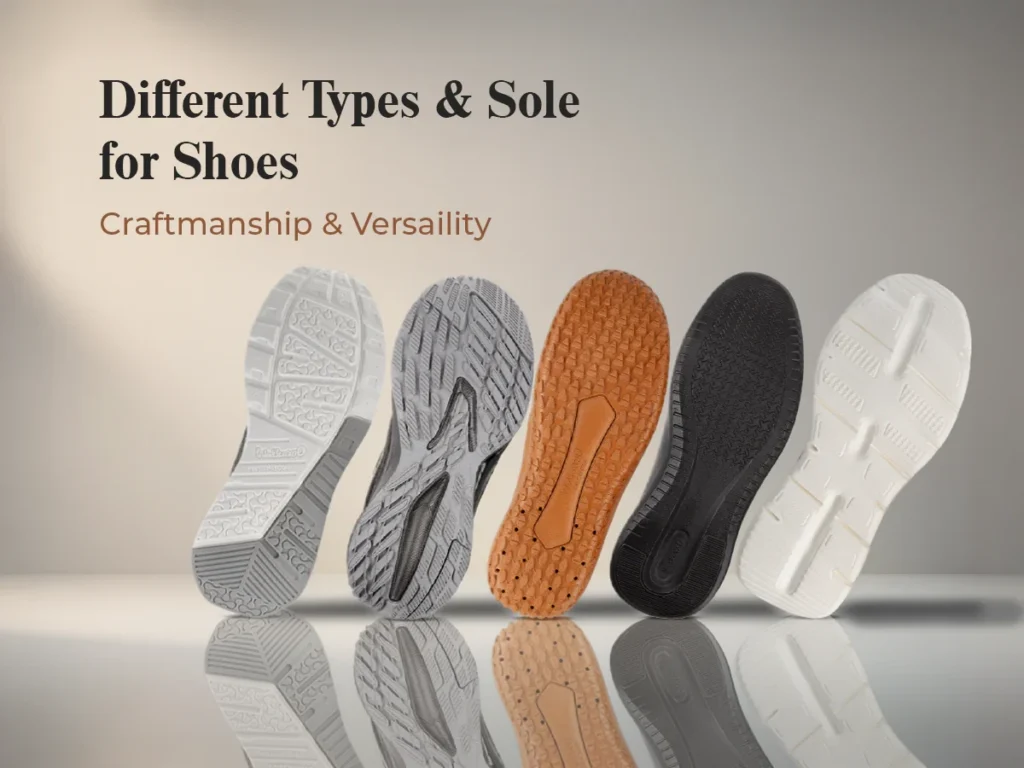
Material drives weight, grip, flexibility, and cost. Most Indian footwear programmes use PU, EVA, TPR, rubber, or phylon—sometimes combined in two-piece builds.
Material comparison at a glance
- PU — formal and dress profiles, smooth finish, moderate weight
- EVA — cushion for casuals, slides, and light sports styles
- TPR — flexible grip for canvas, casual, and many fashion soles
- Rubber — trekking, driving studs, industrial tread
- Phylon — lightweight midsole/outsole for trainer-inspired lines
Hardness, density, and colour
Share target shore hardness (or C value for EVA), abrasion needs, and whether the sole is oil- or acid-resistant. Colour is usually handled with masterbatch; match Pantone or send a physical swatch for the first lab dip.
Design and last development
From sketch to mould-ready file
Design starts with the shoe last and intended fit. Tread depth, forepart radius, heel pitch, and welt allowance must align with the upper pattern. Many factories accept 3D scans; others work from hand lasts plus PDF section drawings.
- Confirm size curve (e.g. UK 6–12) before tooling
- Mark logo position and any vent or flex grooves
- Approve a 3D render or printed model sole before metal cutting
Moulding and production
Tooling types
Injection and compression moulds are common for PU, EVA, and TPR. Rubber may use compression or transfer processes depending on tread complexity. Lead time for new aluminium moulds is often 3–6 weeks after design sign-off.
Pilot run vs bulk
Pilot lot (sample stage)
Small shots (typically 5–20 pairs per size) check fit, colour, and tread fill. Adjust gate positions or shrink before opening bulk.
Bulk production
Once approved, presses run full size breaks. Cycle time, scrap rate, and packing method are agreed in advance so dispatch matches your upper line schedule.
Finishing and quality control
After demoulding, soles are trimmed, buffed, and checked for voids, short shots, and colour match. Finishing can include edge staining, inserted logos, and pairing left/right in size-labelled bags.
- Visual inspection on tread and sidewall
- Random hardness checks per batch
- Fit check on reference last or sample upper
- Carton label with ART number and size
Working with your manufacturer
A good sole partner documents ART numbers, compound codes, and revision history so repeat orders stay consistent. Share forecast volumes early—MOQs and lead times depend on material and mould capacity.
At Alert Sole (Delhi), bulk enquiries cover new moulds, colour changes on existing tools, and supply for PU, EVA, TPR, rubber, and phylon programmes. Send your last, target hardness, and size break to start a quotation.
How to read sole spec headings
Product pages and tech packs often use layered headings. Below is an example of how specification notes are structured—useful when reviewing factory PDFs or catalogue sheets.
Specification hierarchy (example)
Outsole assembly
Compound block
Shore A target: 58–62
Smaller heading levels usually carry measurable values—hardness, density, or colour code—while larger headings group the section for production teams.
Frequently Asked Questions (FAQs)
Q1: How long does a new custom sole mould take?
Q2: What should I send for a sole quotation?
Send the shoe last (or 3D scan), size curve, material preference, tread reference photos, target colour, and estimated monthly quantity. Existing sample shoes speed up the process.
Q3: Can I change colour without a new mould?
Yes for many programmes—colour changes use new masterbatch on the same mould. Extreme tread or profile changes need new tooling.
Q4: What is the difference between PU and TPR soles?
PU often gives a smoother formal finish; TPR is more flexible and common on casual and canvas shoes. Compound choice depends on upper type, flex, and price target—not one-size-fits-all.
Q5: Is there a minimum order quantity for bulk soles?
MOQ varies by mould, material, and size count. Share your forecast on enquiry—factories often align MOQ to press capacity and compound batch size.
- Blog (4)
- Rubber Sole (1)